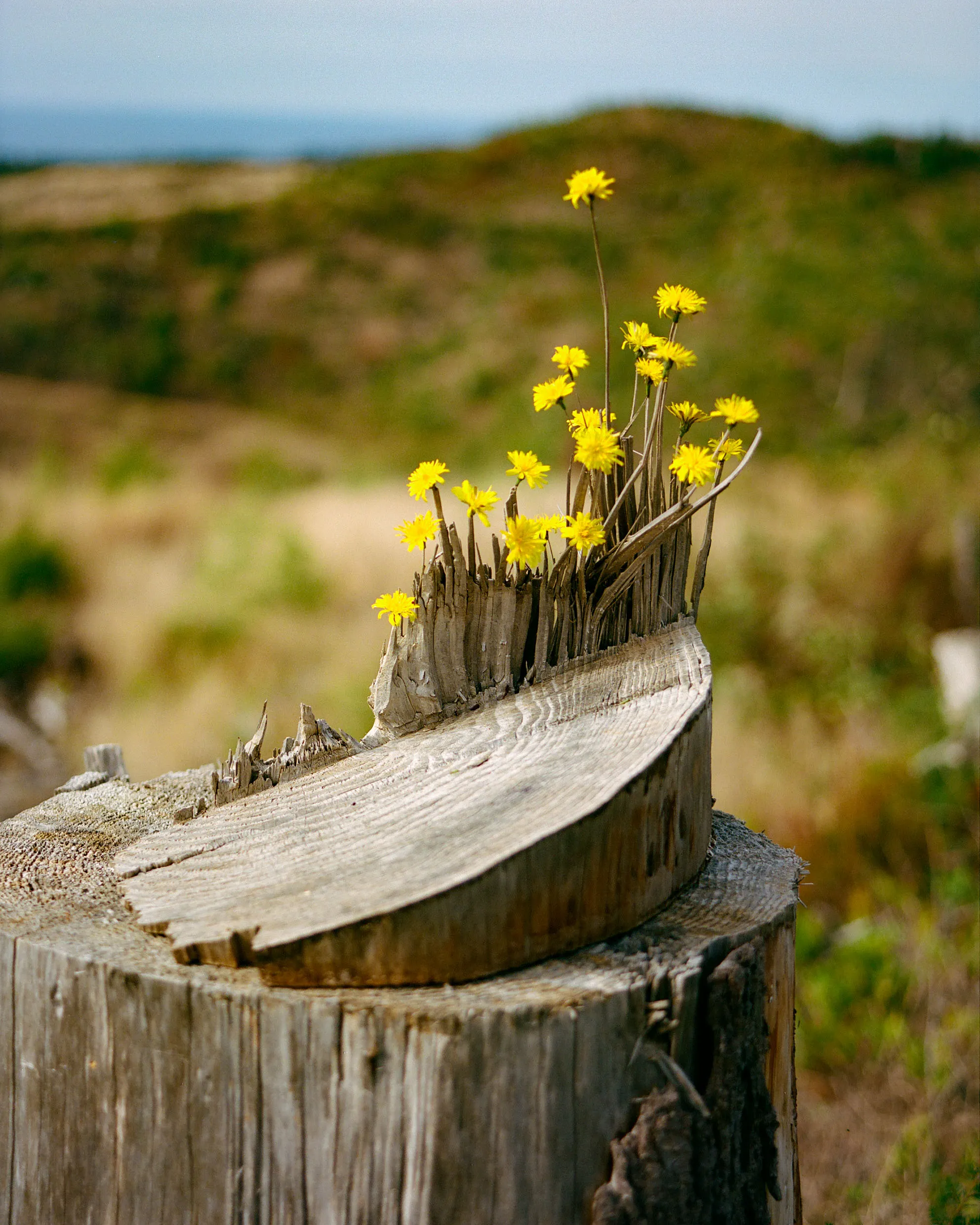
When a forest is cut down, what is lost and what remains? What future can we imagine for landscapes that are damaged beyond recognition?
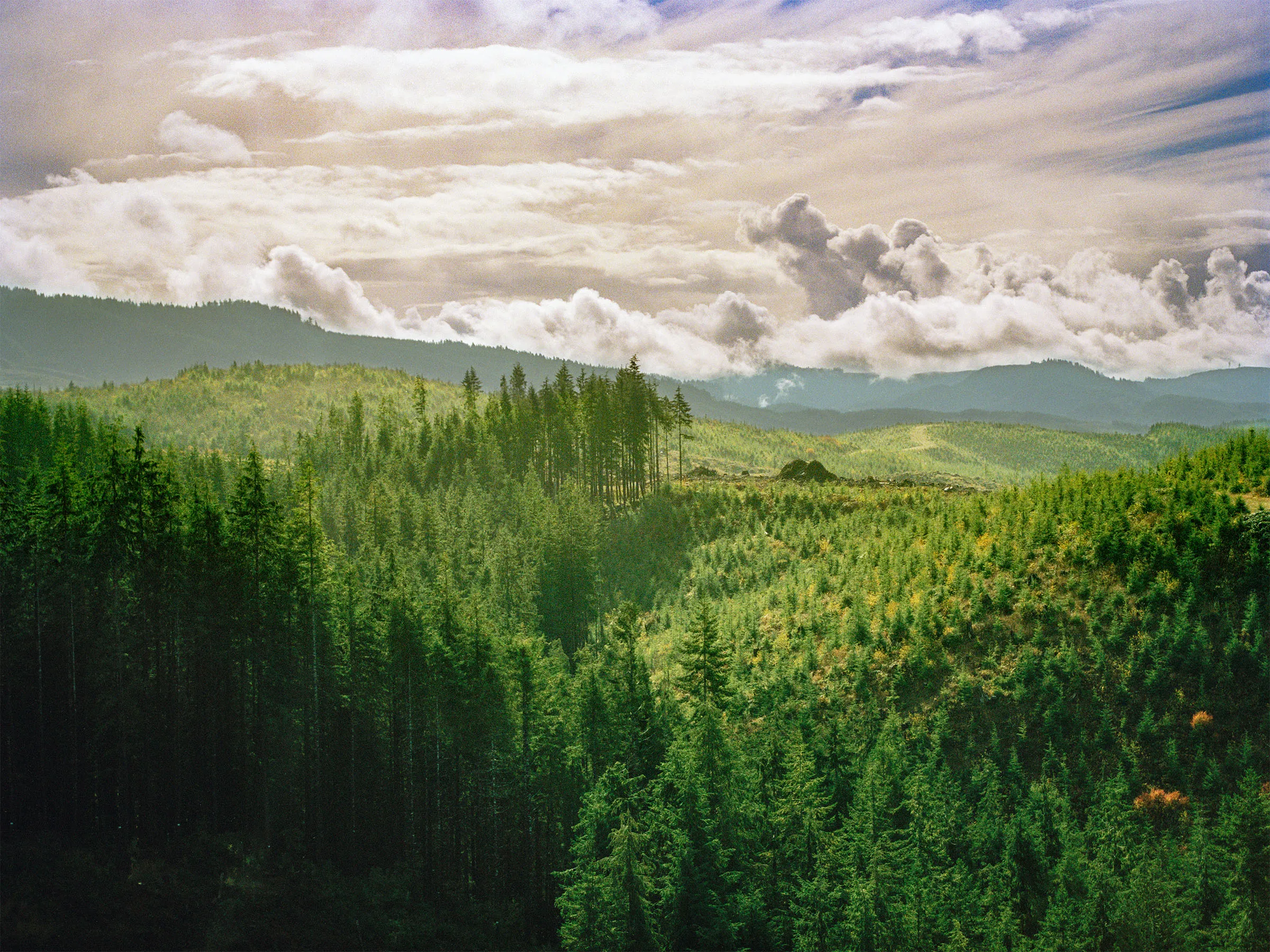
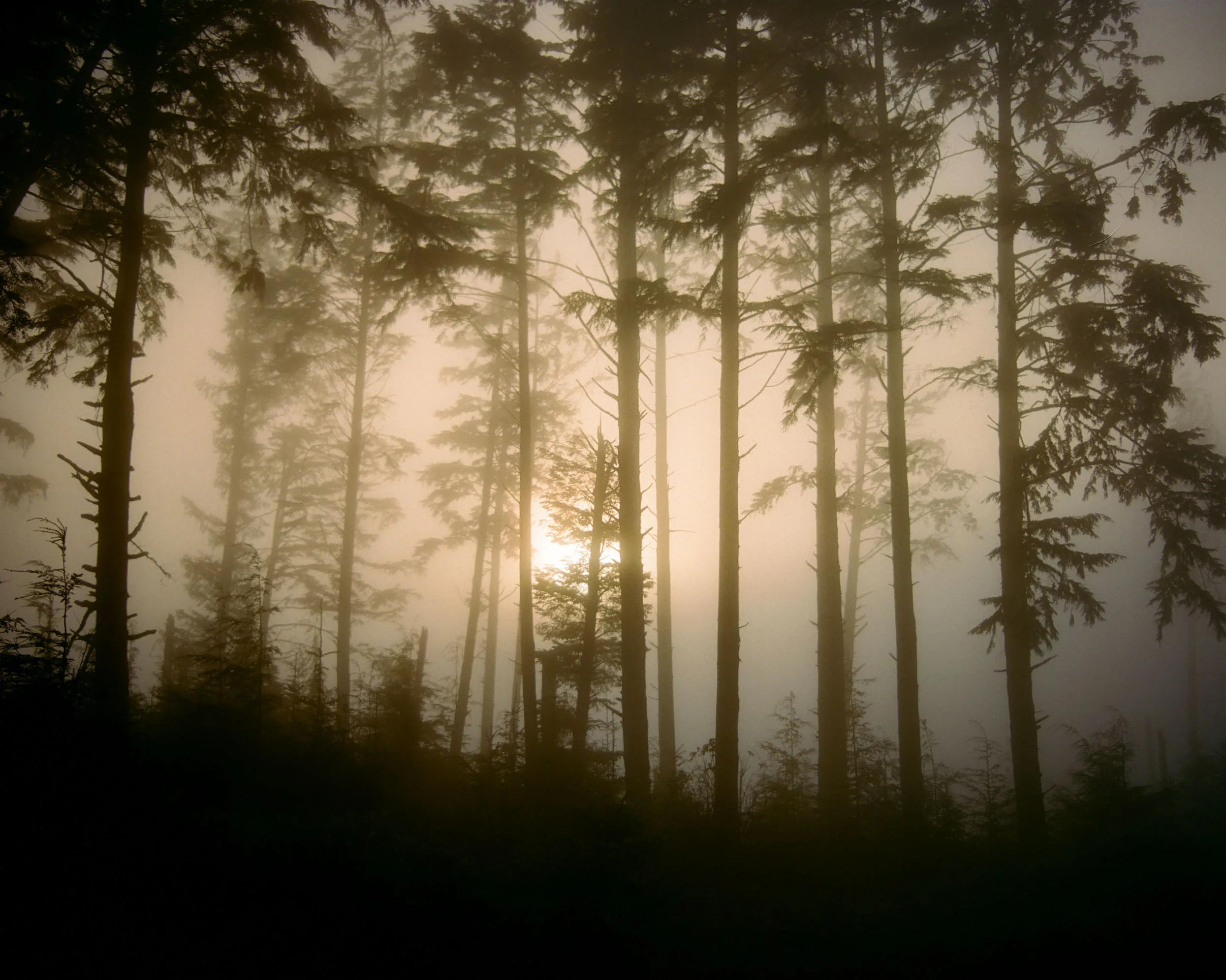
I began to ask myself these questions while at the Sitka Center for Art and Ecology on the Oregon coast. During that time, I had access to swathes of old-growth forest and beaches, and yet I was drawn to the degraded logging plots tucked away in the mountains. In that patchwork of clear-cuts, I found an ideal landscape for thinking about beauty and livability in the wake of extraction, while confronting the myriad of feelings that arise when this destruction is made visible—grief, outrage, freedom, possibility.
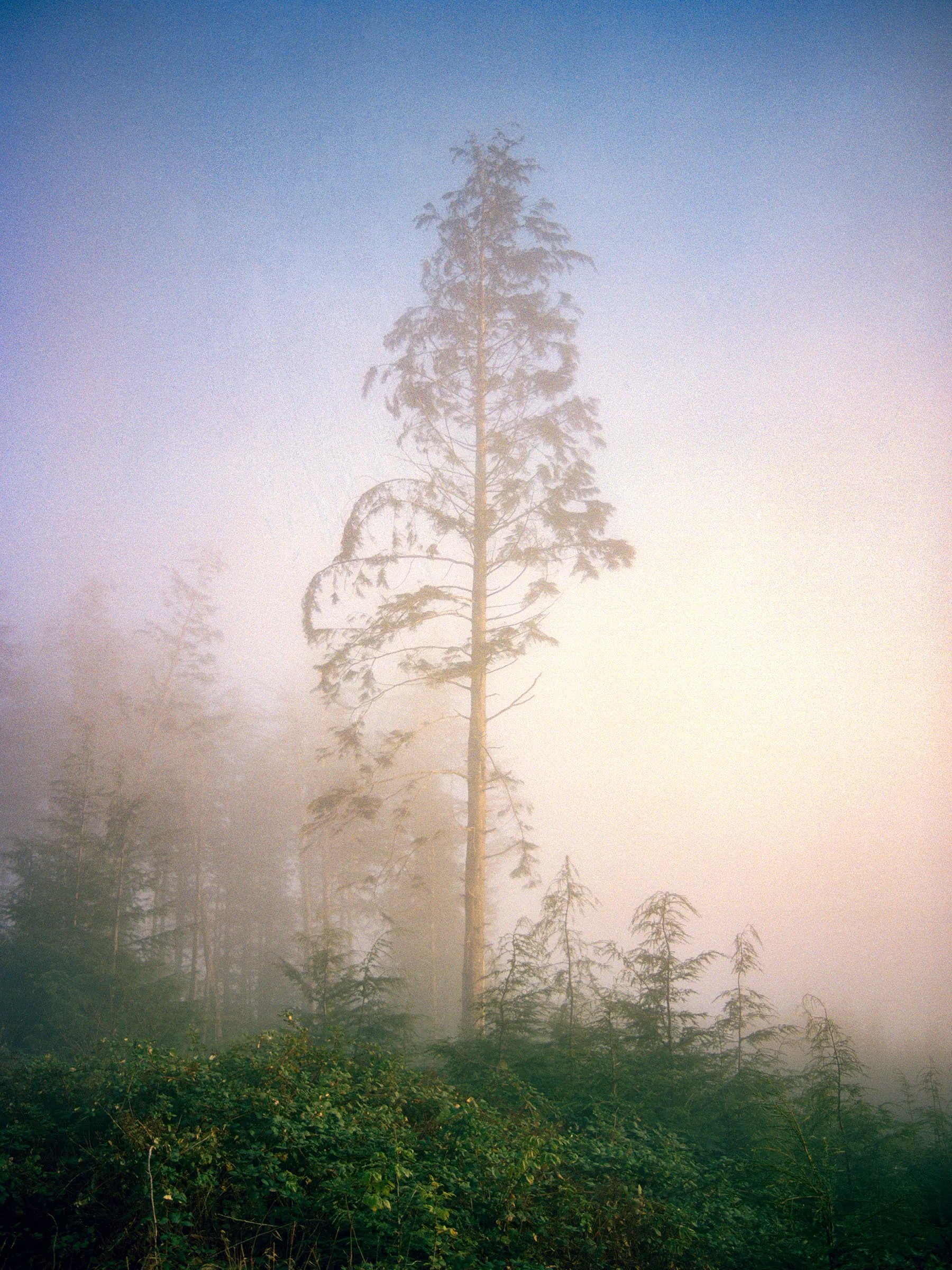
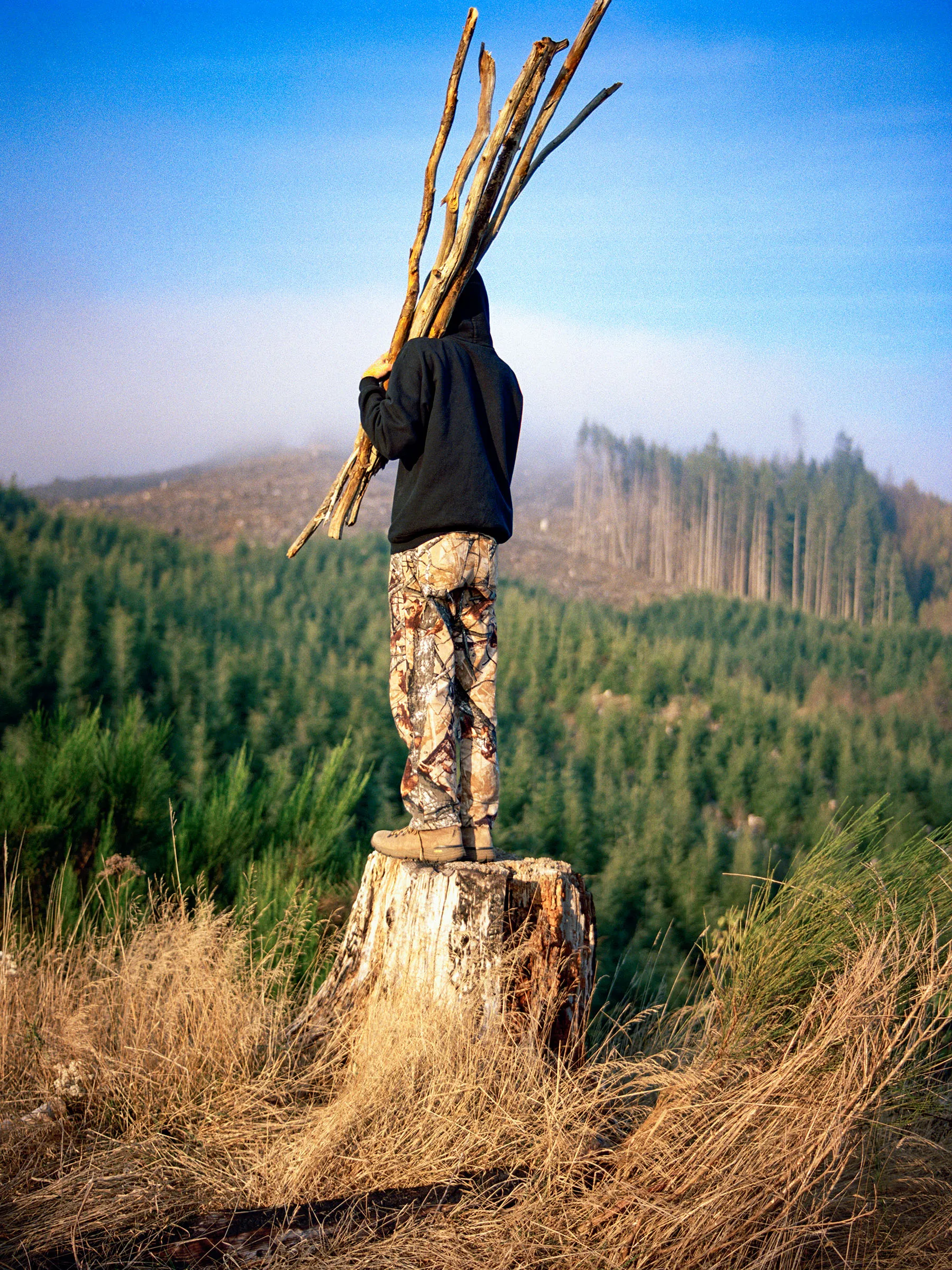
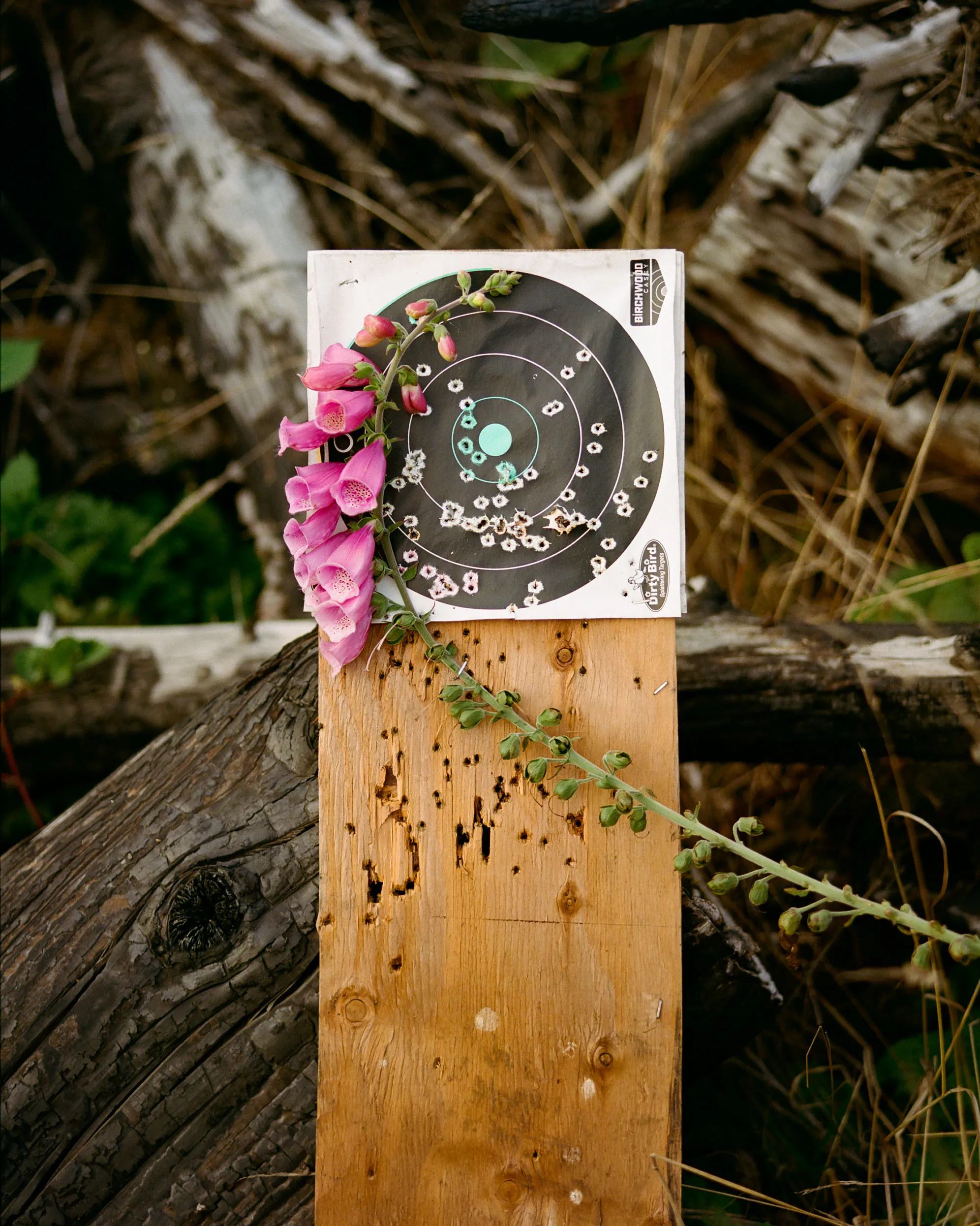
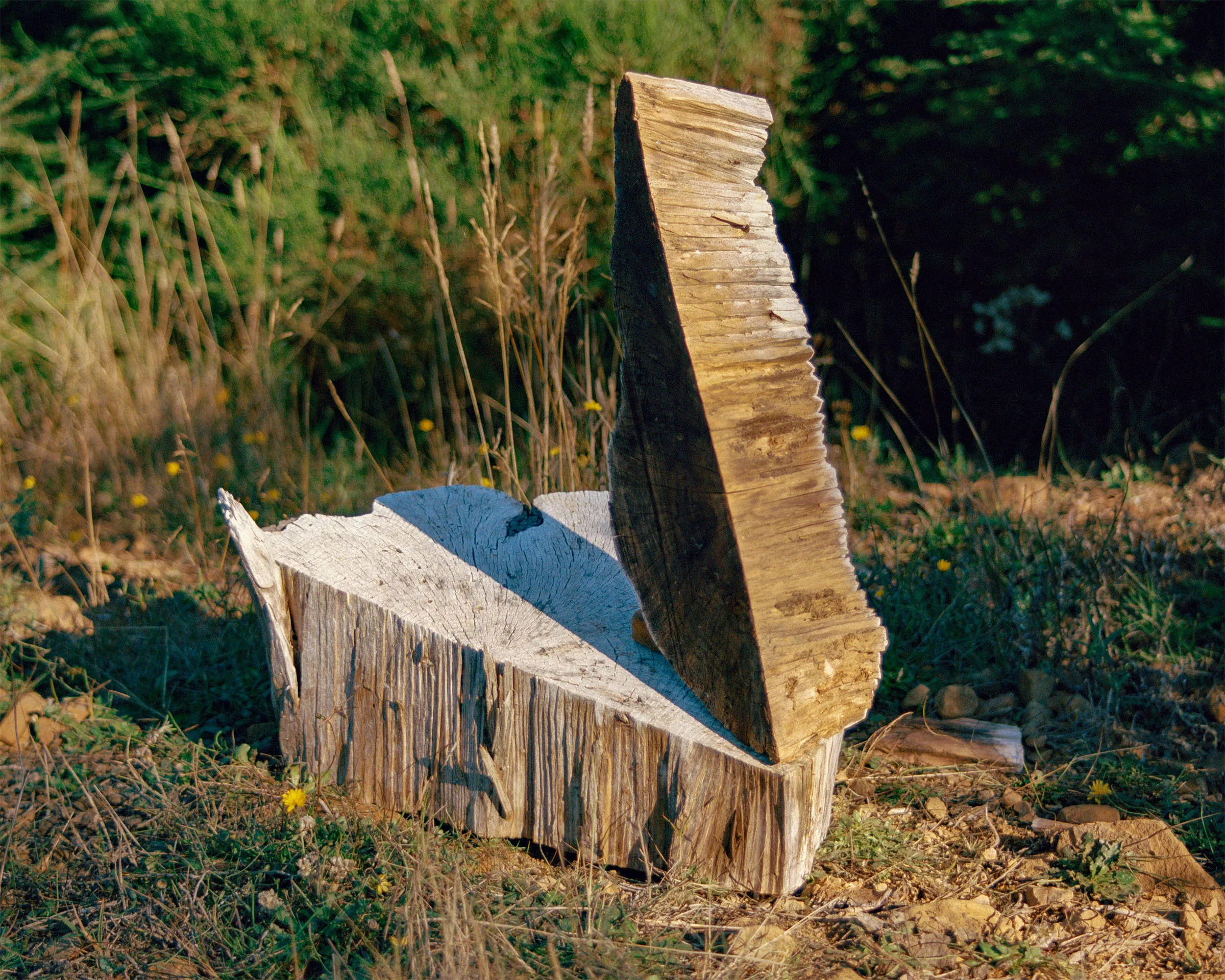
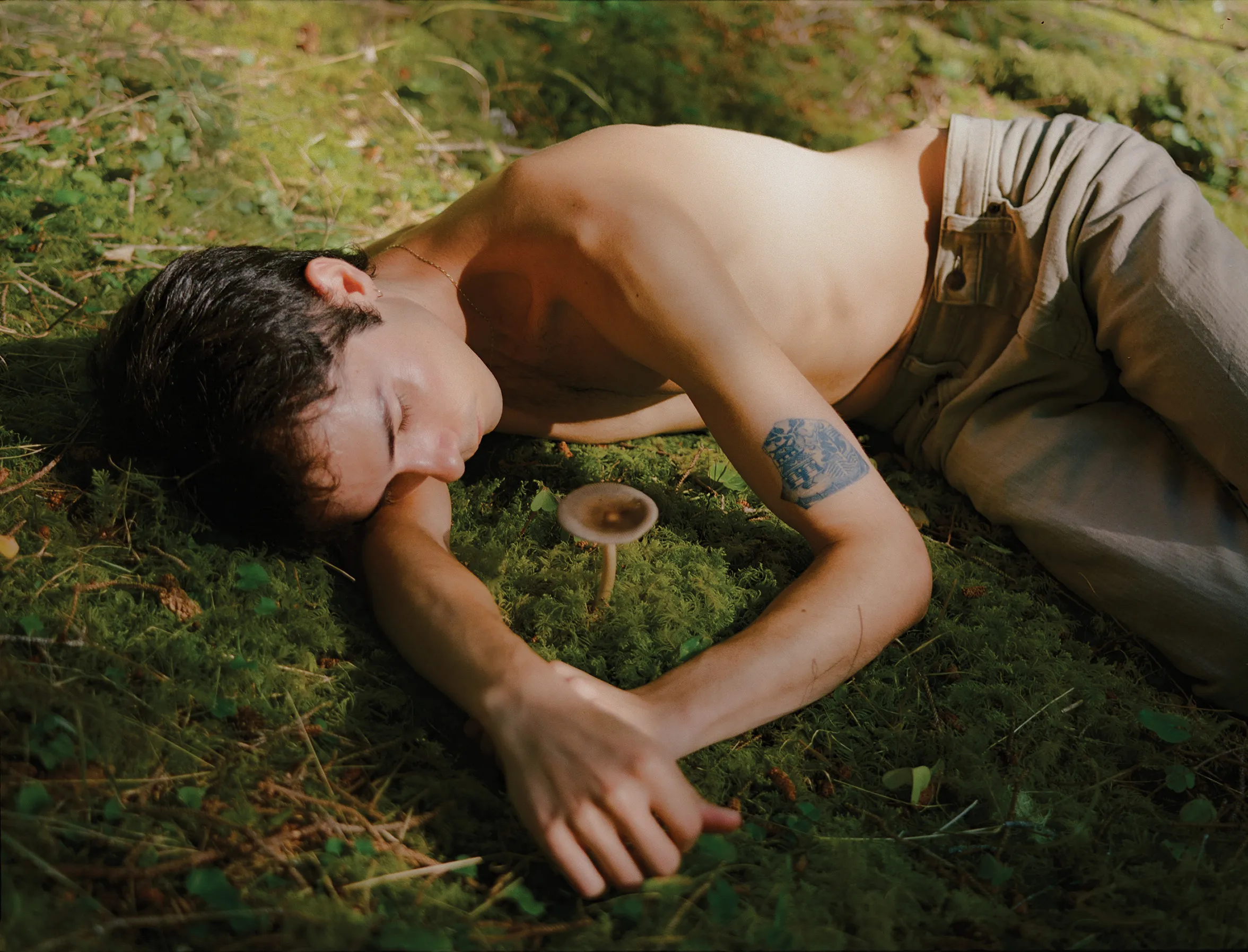
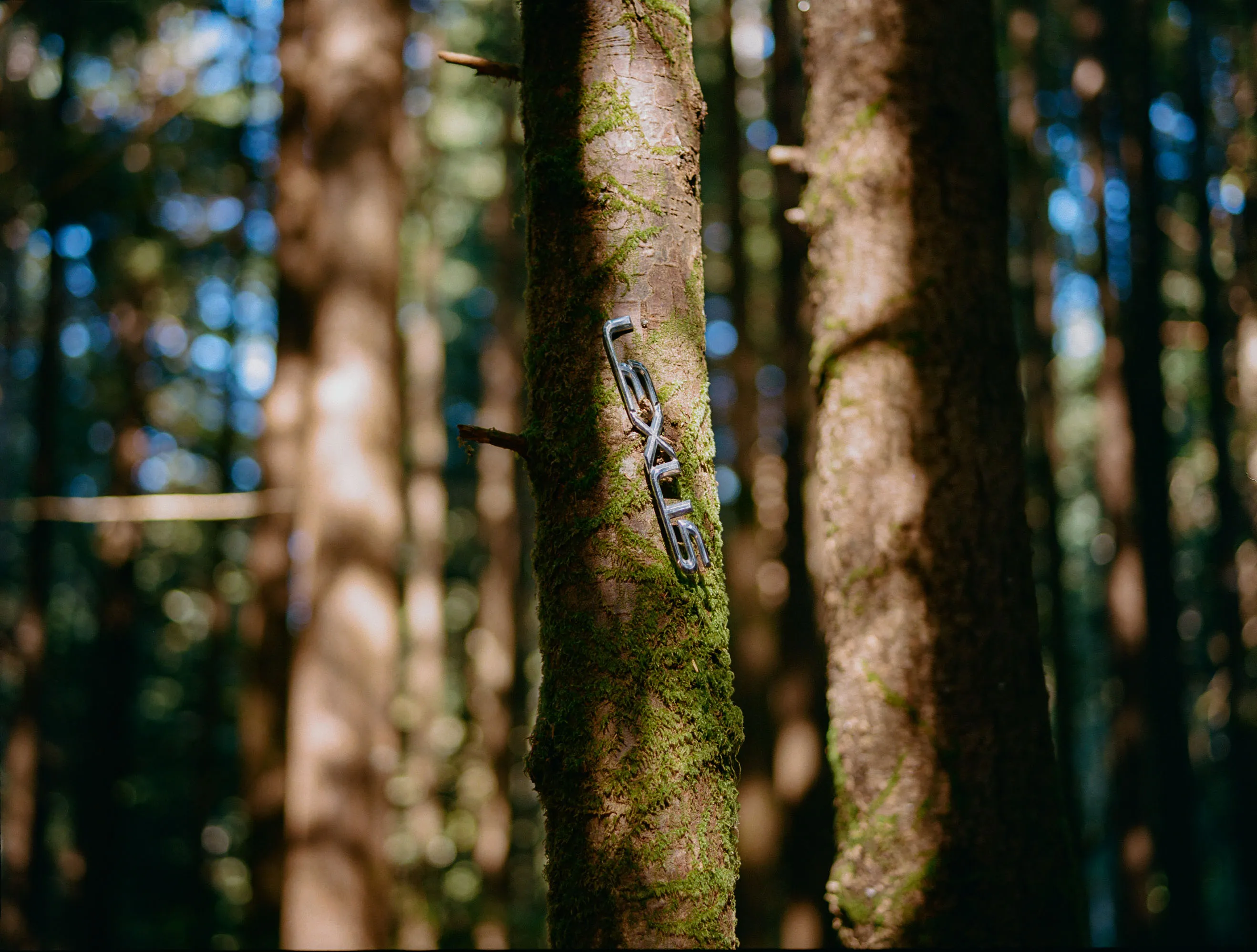
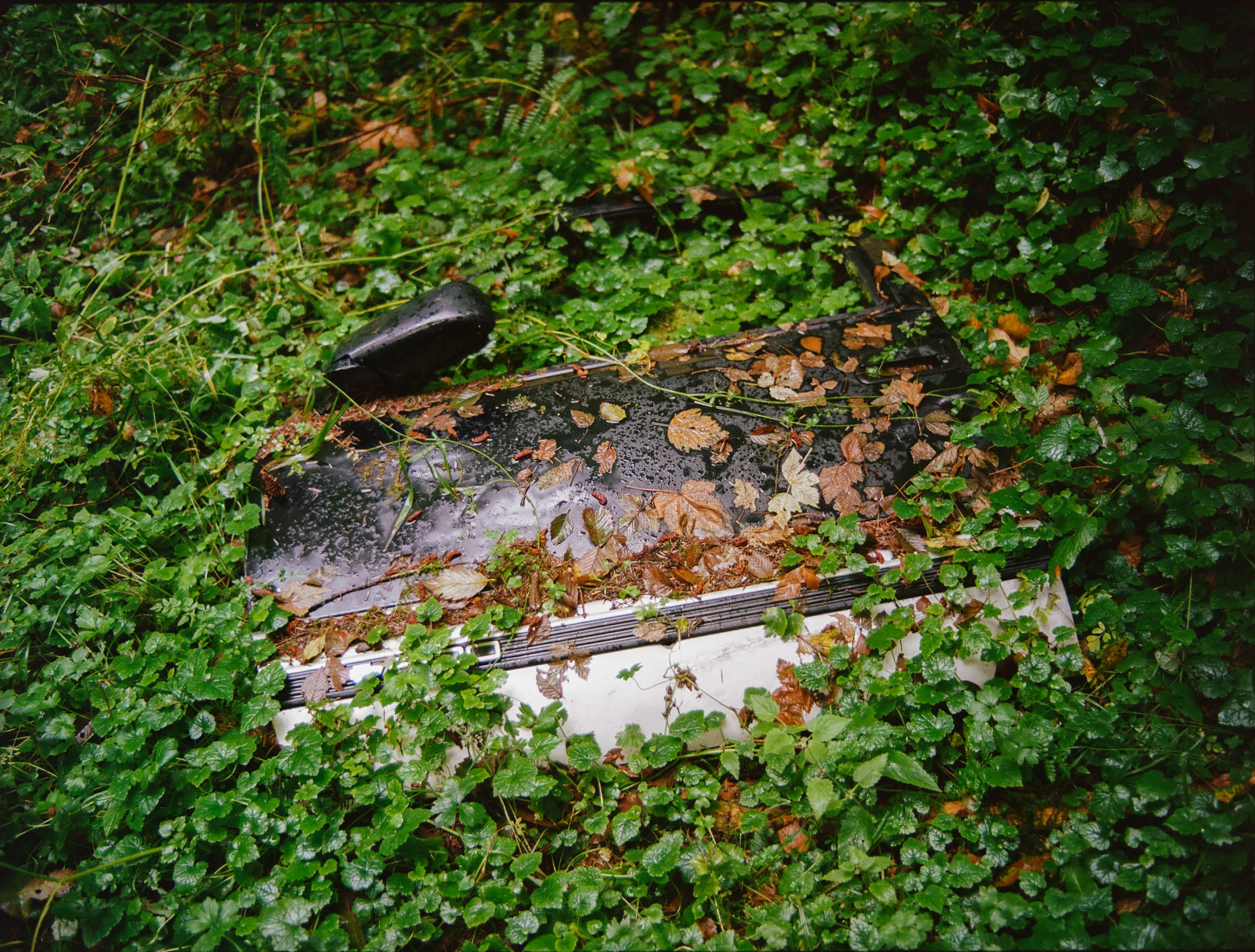
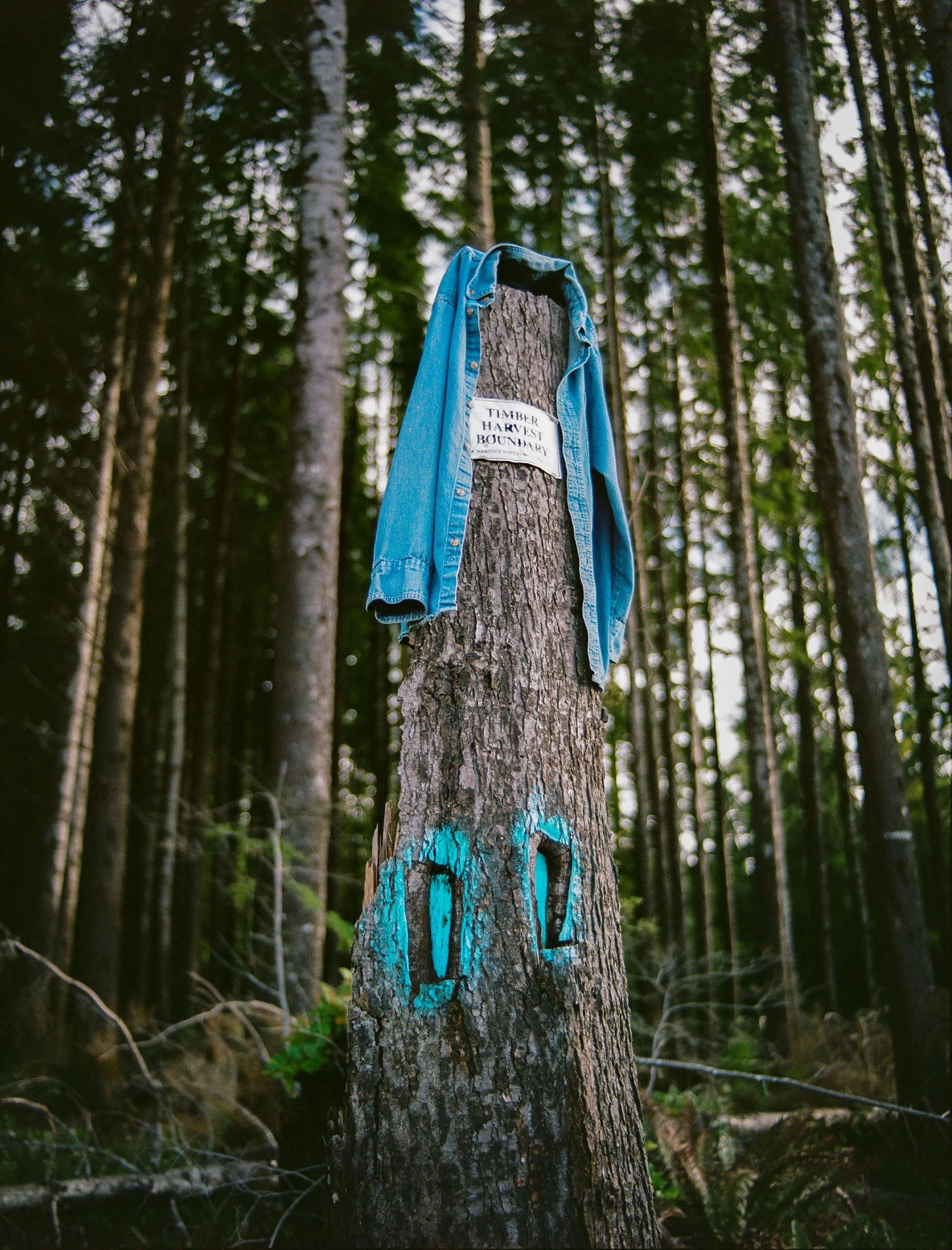
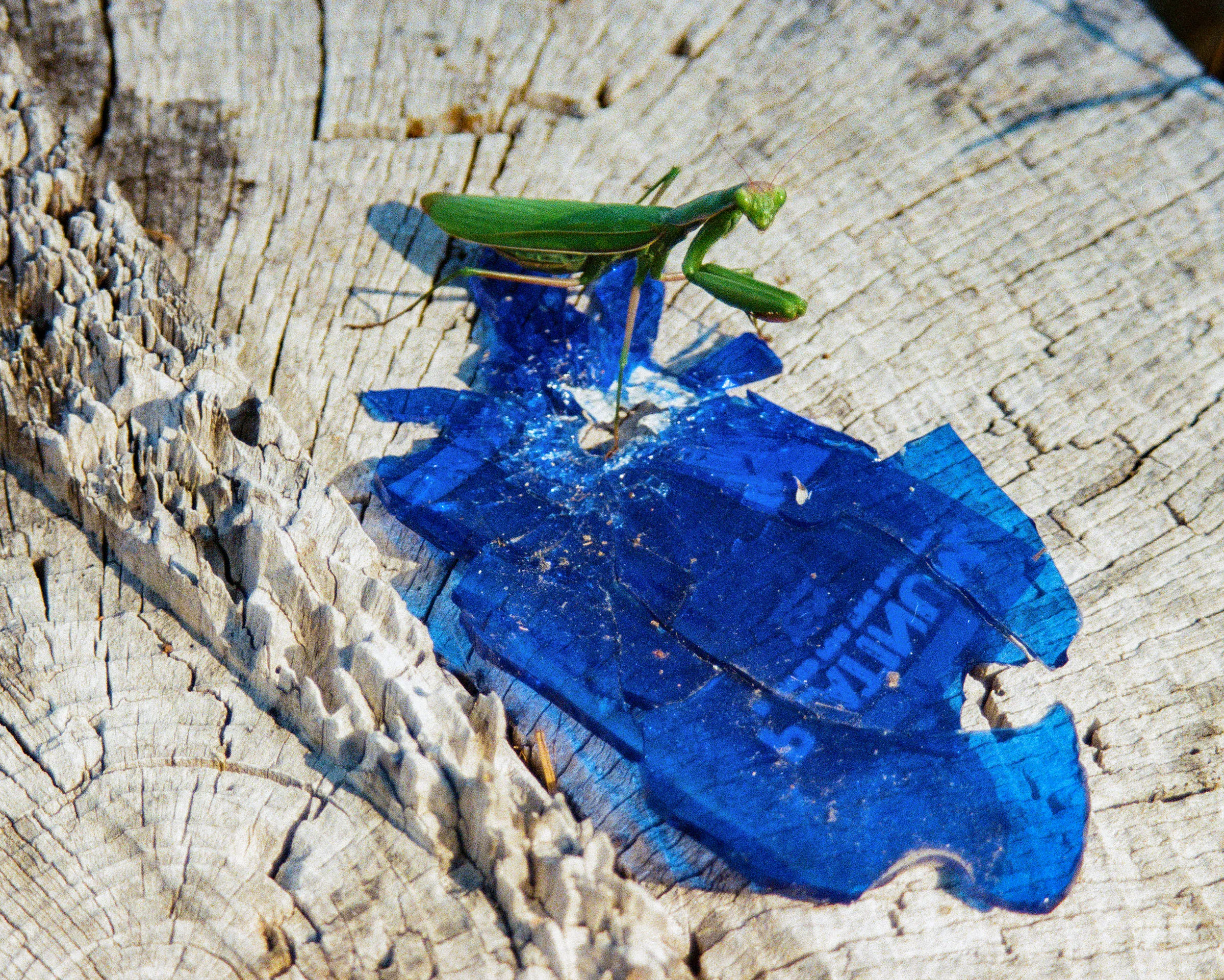
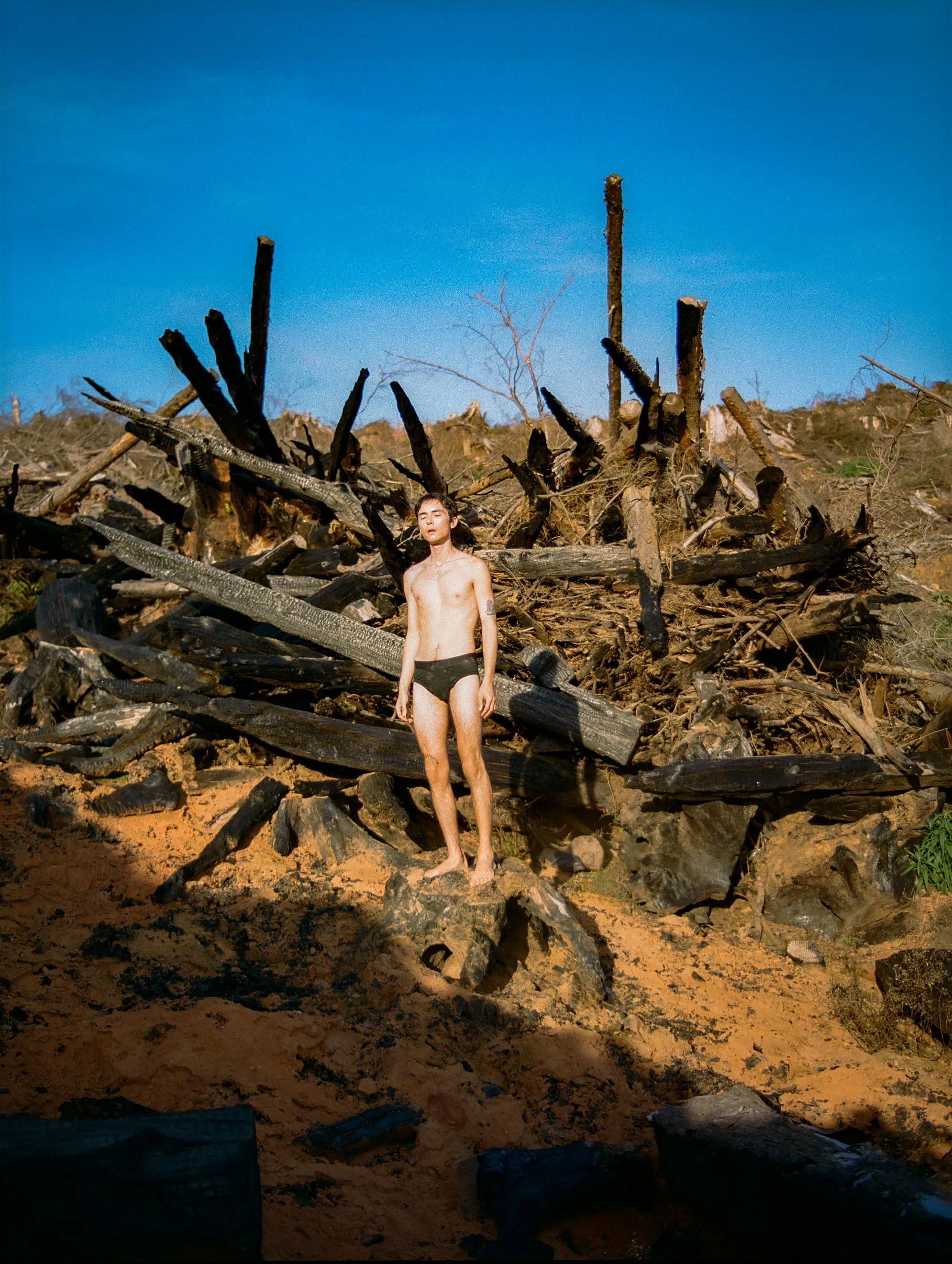
I visited these sites day after day, both to document their existence and also to create interventions with the human artifacts and natural materials that I found there. In an effort to challenge capitalist logic, I tried to salvage beauty rather than commodities from these industrial forests. Using the camera as an invitation, I experimented with relational methods—such as arrangement, sculpture, performance, foraging, writing, and conversing—as means of envisioning and enacting a livable future on damaged earth. In these photographs, the clear-cut is re-contextualized as a site of creation and recuperation, an unlikely haven found through sustained presence and attention.